The Solitude of High Passes: Walking the Silent Ridges
How traversing ancient footpaths above the treeline recalibrates the senses and breaks down cognitive clutter.
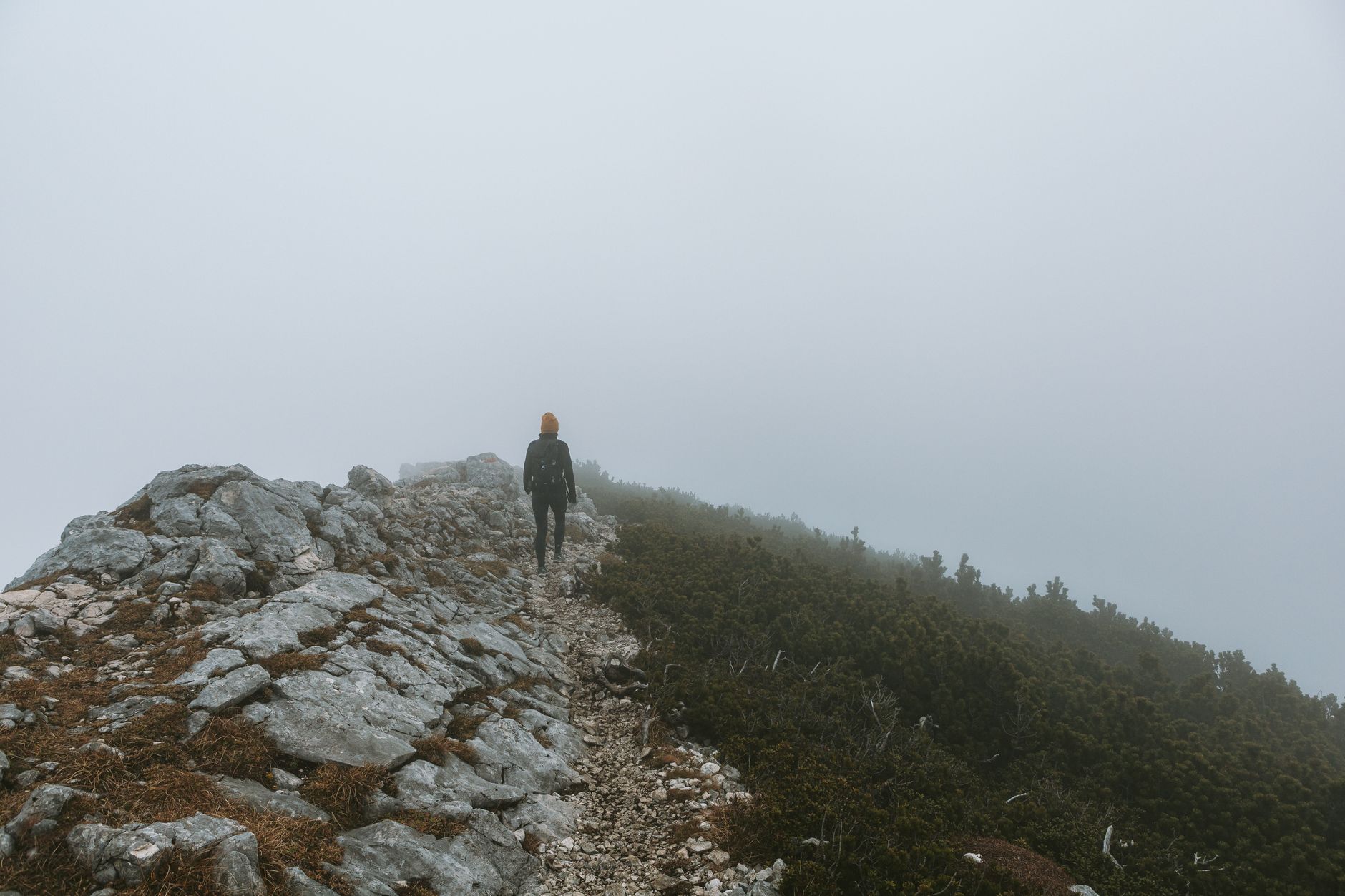
"Above two thousand meters, conversations become unnecessary. The rhythmic scrape of boots on scree and the constant cadence of wind dismantle modern hurriedness faster than any retreat."
1. The Threshold of Cellular Absence
Two hours after leaving the final pasture trailhead in the northern valleys, the digital tether breaks. There is no herald or alert; simply a subtle shift on the device screen reading 'No Service'. For the initial half-hour, reflex compels the hand toward the pocket at every slight pause. But as elevation mounts, physical reality overtakes digital phantom reflexes.
The air turns noticeably cooler, sharpening the scent of dry lichen and crushed shale. Here, every step demands attention. Scree fields shifted by winter frosts require calculated weight placement, turning simple forward motion into an absorbing meditation.
Field Notes & Gear Consideration
- Navigation: Always carry 1:25,000 topographic paper maps alongside offline satellite tracking.
- Water Management: Filter mountain streams at source; high-altitude minerals require slow hydration pacing.
- Footwear: Ankle stabilization with Vibram compound soles is paramount across limestone ridges.
2. Geological Scale and Temporal Perspective
Walking along a high pass provides an immediate lesson in perspective. The massive limestone strata surrounding the path were formed beneath prehistoric seabeds over millions of years, then forced upward by tectonic collision. Standing amidst their vertical faces, the anxieties of quarterly deadlines, algorithmic updates, and metropolitan schedules shrink to their natural insignificance.
We stayed the night in an unstaffed stone bivouac constructed in the late 1940s. With wood-burning heat and melted snow for tea, the evening collapsed into silent reading and deep, restorative sleep undisturbed by artificial luminescence.
3. Bringing Stillness Back Down to the Valley
The true challenge of alpine solitude is not enduring it, but retaining its essence upon returning to crowded streets. When one steps back onto tarmac and hears the rumble of delivery vans, the instinct is to brace against the world. Yet conscious travelers learn to preserve that inner limestone quietness, moving with the measured breath developed during the ascent.

Editorial Contributor: Eleanor Vance
Field writer & cultural geographer based in Bern.