Terroir & Memory: Tasting the Forgotten Olive Orchards
A culinary dispatch exploring the revival of ancient varietals and cold-stone press houses in coastal groves.
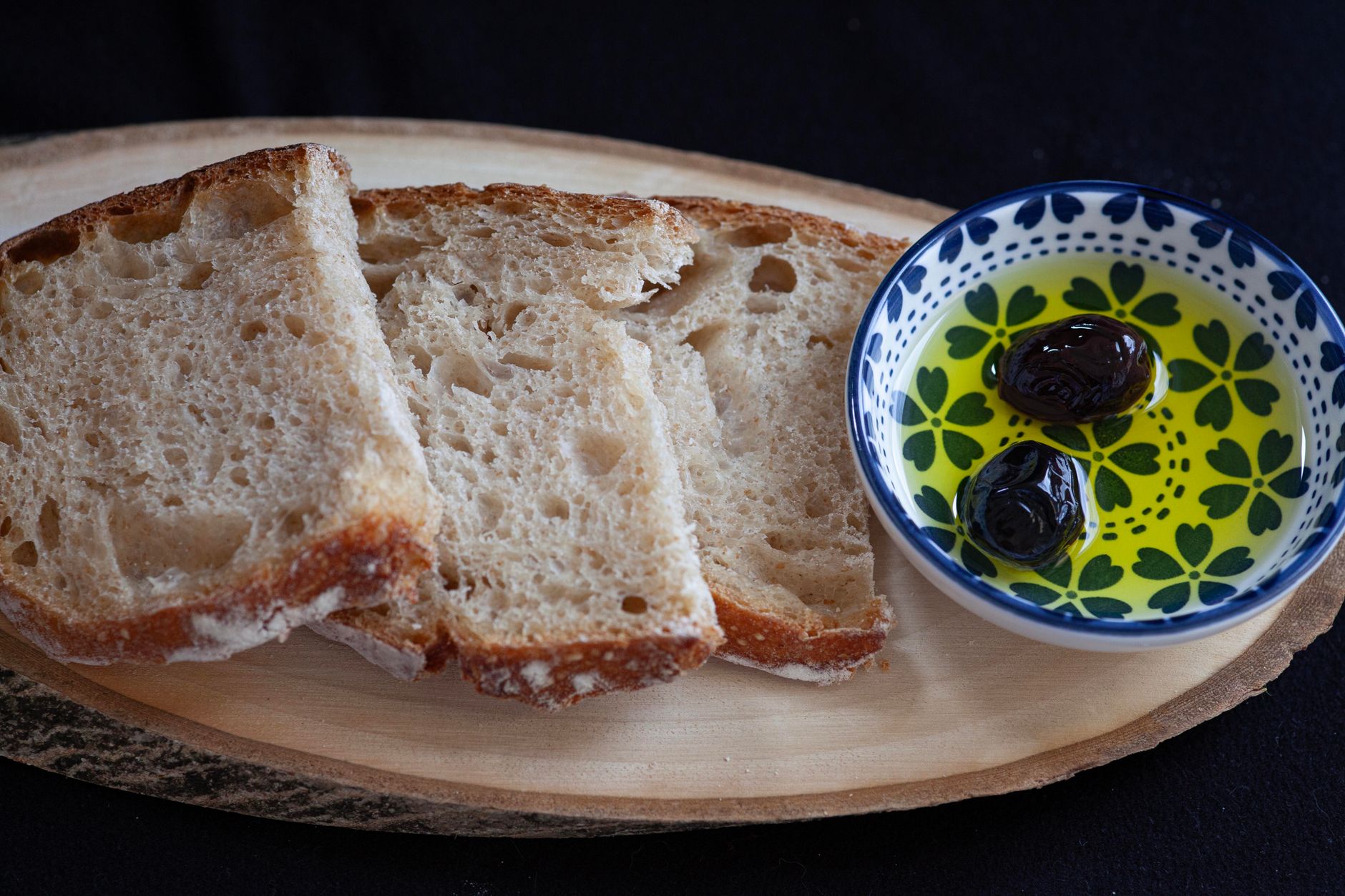
In the quiet hill folds two leagues back from the sea, where sea mist mingles with wild rosemary and thyme, olive farming remains an act of devotion rather than industrial manufacturing. Here, trees gnarled by three hundred winters still produce diminutive, intense fruit that cannot be collected by mechanical harvesters.
1. The Anatomy of Unfiltered Pressing
Unlike supermarket products that are refined, deodorized, and blended for bland uniformity, oil pressed from these groves retains a vibrant, almost luminescent emerald hue. Upon the palate, it delivers an initial note of freshly cut grass, followed by almond sweetness, and finishes with a robust, peppery bite in the throat—proof of potent natural polyphenols.
"You do not sweeten oil; you learn to taste the drought and rain of the summer through its bitterness."
We spent three dawns with the Aris family, laying woven nets beneath ancient canopies and gently beating branches with ash poles. It is grueling work that leaves the palms stained and shoulders aching, yet when the first green liquid flows from the stone separator at noon, communal bread is broken in silent reverence.
2. Gastronomy as Living History
Traveling through a region without tasting its oils is like viewing a landscape through stained glass. The fat medium of oil carries the aromatic fingerprint of the soil. When drizzled over simple salted legumes or grilled sourdough, it bridges the gap between historical peasant sustenance and modern gastronomic luxury.

Julian Thorne
Culinary researcher & editorial consultant.